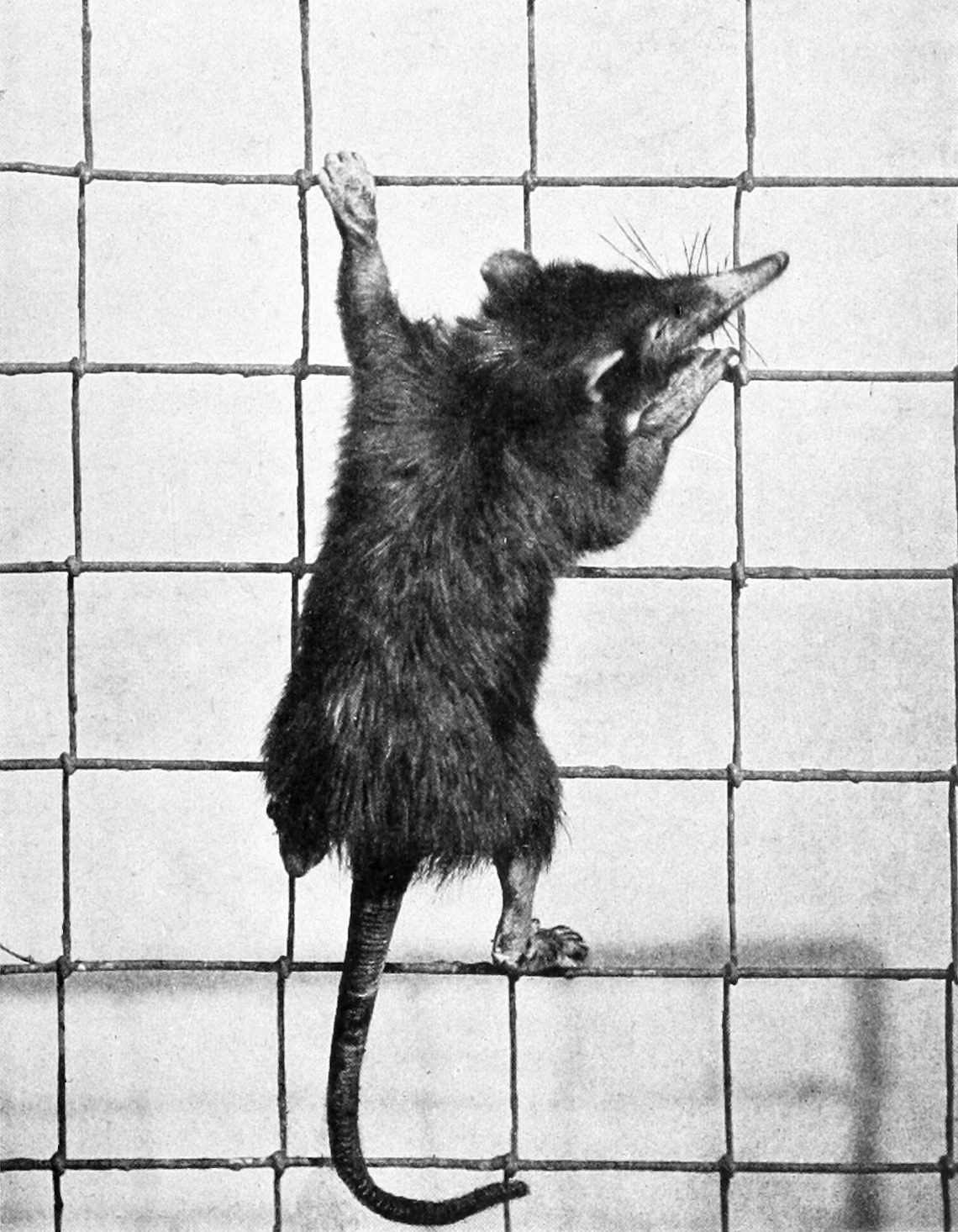

The Cuban solenodon (Solenodon cubanus, also classified as Atopogale cubana), locally known as the almiquí, is one of the most astonishing biological mysteries of the Caribbean. Native strictly to the mountainous, humid forests of eastern Cuba, this elusive nocturnal mammal stands out in the animal kingdom due to an extraordinary trait: it is one of the extremely few mammals capable of injecting toxic venom through modified salivary glands in its lower jaw.

Beyond its venomous bite, this creature holds an incredible evolutionary history. Long feared to be extinct due to its subterranean lifestyle and extreme rarity, this ancient animal has managed to survive in the most rugged mountain ranges of Cuba, fascinating scientists and wildlife enthusiasts around the globe.
Quick facts
- Scientific name: Atopogale cubana (formerly Solenodon cubanus).
- Discoverer: German naturalist Wilhelm Peters in 1861.
- Current location: Nipe-Sagua-Baracoa mountain range in eastern Cuba (provinces of Holguín, Guantánamo, and Santiago de Cuba).
- Size and weight: 16 to 22 inches (41 to 56 cm) in total length from nose to tail-tip; specimen “Alejandrito” weighed 24 oz (0.68 kg).
- Diet: Insects, worms and other invertebrates, fungi, roots, vertebrate carrion, fruits, leaves, as well as live prey including lizards, small reptiles, frogs, small birds, and rodents.
- Reproduction: Females produce 1 to 2 young per litter (up to 2 litters per year), resulting in a very slow population recovery rate.
- Conservation status: Listed as Endangered since 1982.

What is the Cuban solenodon and how was it discovered?
The Cuban solenodon was first formally described by German naturalist Wilhelm Peters in 1861. Considered a living fossil, this ancient mammal has retained primitive anatomical traits for millions of years. It measures between 16 and 22 inches (41 to 56 cm) from the tip of its elongated nose to the end of its tail. Because of its strictly nocturnal habits and remote habitat, it remains exceptionally elusive; from its discovery through modern studies, only 36 specimens have ever been captured by researchers.
Visually, the Cuban solenodon features small eyes, dark brown to black hair, and a long, naked, scaly tail. While often compared to a shrew or described as looking like a large brown rat with an elongated snout, anatomical studies show that it most closely resembles members of the family Tenrecidae from Madagascar.
Subfossil evidence demonstrates that while the Cuban solenodon is nowadays confined strictly to the eastern mountain ranges, it once inhabited regions across the entire island of Cuba prior to human-induced ecological changes.

Taxonomy and evolutionary lineage
Although the Cuban solenodon was historically classified under the genus Solenodon, recent phylogenetic evidence strongly supports its placement in its very own monotypic genus, Atopogale. Consequently, the scientific community now recognizes it as Atopogale cubana, being the sole living species within this distinct genus.
Genomic estimates indicate that the Cuban solenodon diverged from its closest relative, the Hispaniolan solenodon (Solenodon paradoxus), approximately 25 to 27 million years ago. Today, these two species represent the only surviving members of the family Solenodontidae, as all other species in the family have gone extinct.

Lethal saliva: A unique hunting adaptation
The defining feature of the Cuban solenodon is its specialized venomous bite. Toxic saliva is produced in modified salivary glands located in its lower jaw and delivered directly into victims during a bite. This weapon allows the solenodon to subdue and devour a wide range of prey, including lizards, small reptiles, frogs, small birds, and rodents.
However, the solenodon’s biology includes a fatal paradox. In captive settings, researchers observed that when cage mates engage in territorial fights, the bites often prove fatal. This occurs because the species is not immune to its own venom, meaning a single bite from another solenodon can inject a deadly dose of toxins into its opponent’s bloodstream.
Behavior, diet, and reproduction
The Cuban solenodon is a strictly nocturnal burrower. During the day, it stays hidden underground in burrows, emerging at night to travel along the forest floor in search of sustenance. Its diet is remarkably varied: it searches through leaf litter for insects, earthworms, and other invertebrates, while also consuming fungi, roots, and vertebrate carrion.
Interestingly, despite being primarily ground-dwelling burrowers, solenodons are capable climbers that forage for fruits, berries, buds, and leaves. Yet their predatory instincts are formidable, allowing them to use their venomous bite to overpower active animal prey.
In terms of social structure, Cuban solenodons are solitary creatures. Males and females interact only to mate. Males practice polygyny, mating with multiple females throughout their lives, and do not contribute to raising the offspring.
Breeding can occur year-round. Females typically give birth to two litters per year, usually consisting of 1 to 2 offspring (though litters of up to 3 have been noted). This low reproductive output means that any decline in population takes a very long time to recover.
Rediscovery and conservation efforts
Habitat destruction and low population numbers led scientists to fear the worst during the mid-20th century. In 1964, science writer Willy Ley remarked that the Cuban solenodon was, if not extinct, among “the rarest animals on earth.” In 1970, the Cuban solenodon was officially declared extinct after years without any verified sightings.
Amazingly, the species proved resilient when researchers rediscovered it in 1974 deep within eastern Cuba’s mountain ranges. Nevertheless, sightings remained exceptionally scarce; prior to field studies in 2003, the most recent documented sighting had occurred in 1999.
Recognized as an Endangered species since 1982, the solenodon has been the focus of rare and challenging field expeditions. In 2003, scientists successfully captured a healthy live male named «Alejandrito», weighing 24 oz (0.68 kg). After two days of field examination, Alejandrito was safely released back into the wild. Later in 2012, an international research team managed to capture and release 7 individuals, obtaining invaluable genetic samples to help protect this unique creature.
Despite these findings, the Cuban solenodon faces severe survival threats. Deforestation and habitat degradation caused by logging and mining operations continue to destroy its environment. Furthermore, it suffers heavy predation from introduced invasive species, including small Indian mongooses, black rats, feral cats, and feral dogs. To make matters worse, very little conservation attention is currently dedicated to protecting this extraordinary mammal.
Frequently asked questions
Why is the Cuban solenodon considered so unusual?
It is unusual because it is one of the very few living mammals that can deliver toxic venom via modified salivary glands while hunting, and it belongs to an ancient family with only two surviving species.
Is the Cuban solenodon immune to its own venom?
No, it is not immune. Solenodons that bite each other during fights in captivity can die from the toxic effects of their own species’ venom.
How many Cuban solenodons have been studied by scientists?
Since its scientific discovery in 1861 by Wilhelm Peters, only 36 individuals have ever been captured for study due to their secretive subterranean lifestyle.
What are the primary threats to the Cuban solenodon?
Major threats include habitat loss from logging and mining, low reproductive rates, and predation by introduced invasive species like mongooses, black rats, feral cats, and feral dogs.
If you love discovering unbelievable stories about nature, make sure to subscribe to our YouTube channel @CuriosoyLoco and follow our official Facebook page!
Sources
- Wikipedia: Cuban solenodon
- Peters, W. (1861). Über die Säugethiergattung Solenodon. Abhandlungen der Königlichen Akademie der Wissenschaften zu Berlin.
- Ley, W. (1964). Exotic Zoology.