
Imagine an apocalyptic scenario where the Earth turns into a landscape of lava, ash, and toxic gases. This is not a Hollywood disaster movie, but the most devastating geological event in planetary history. It took place in what is now Siberia, and it came shockingly close to wiping out all life on Earth.
A Volcanic Hell That Lasted Two Million Years
Approximately 251.9 million years ago, at the Permian-Triassic boundary, an extraordinary series of volcanic eruptions began. Unlike typical short-lived eruptions, this event persisted for nearly two million years without stopping.
The catalyst behind this catastrophe was a gigantic mantle plume rising from deep within the planet, penetrating the Siberian craton. Magma spewed through massive fissures, flooding vast continental expanses and reshaping the planet’s surface forever.
Why Are They Called “Traps”?
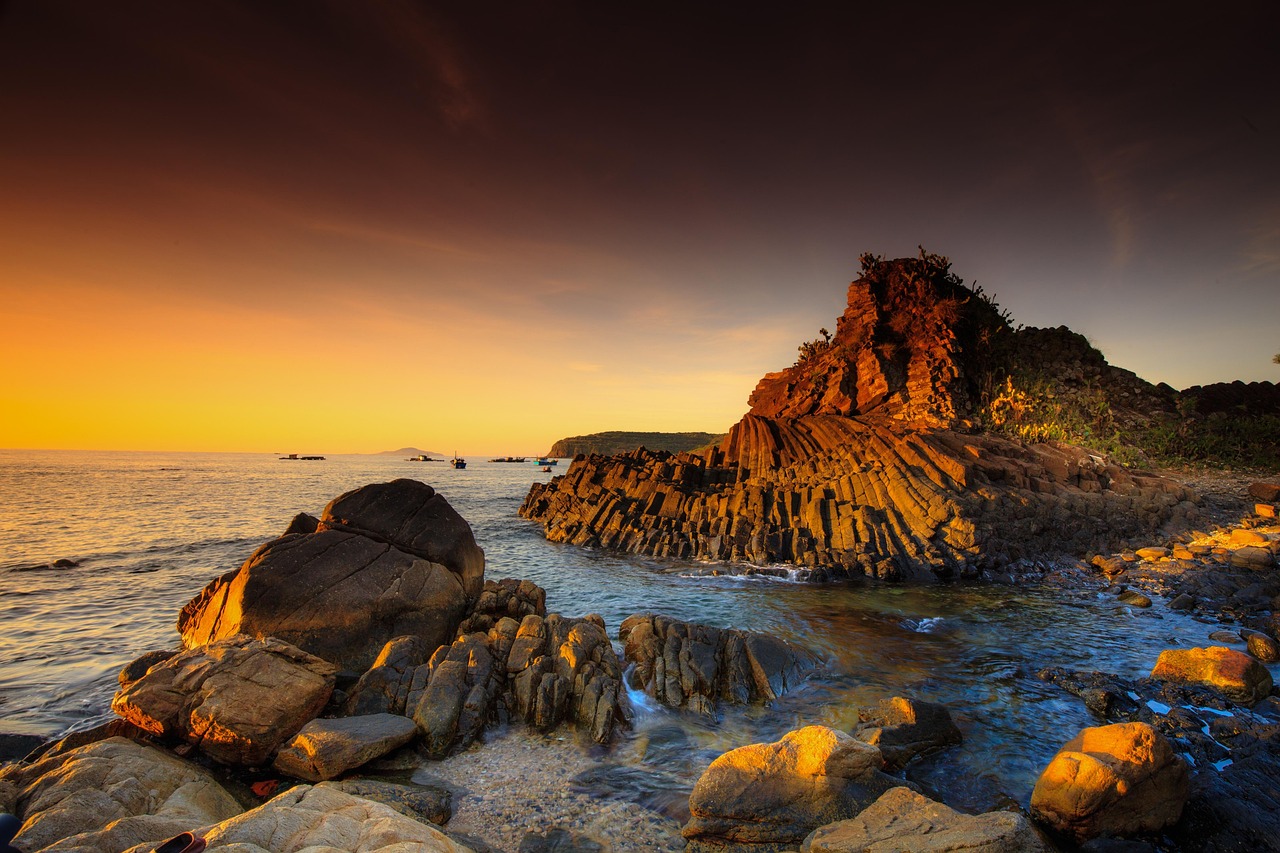
The geological term trap was introduced into scientific literature between 1785 and 1795. It originates from the Swedish word trappa, meaning stairs. As the massive basalt lava flows cooled and eroded over millions of years, they created a step-like landscape of hills resembling giant staircases.
Today, this colossal basalt rock layer covers about 7 million square kilometers in Russia, with an estimated volume of roughly 4 million cubic kilometers of solidified lava.
Global Cataclysm and the Great Dying
The environmental fallout from the Siberian Traps had severe global repercussions. Continuous gas emissions ravaged Earth’s climate and ecosystems:
- Carbon dioxide and methane: triggered extreme global warming.
- Sulfur dioxide: produced severe acid rain that devastated plant life.
- Halogens and heavy metals: depleted the protective ozone layer.
- Ocean acidification: disrupted marine chemistry and food chains.
Because of these factors, the Siberian Traps are identified as the primary cause of the Permian-Triassic mass extinction, the most severe extinction event documented in Earth’s geological record.
Mineral Wealth and the Antarctic Connection
The immense heat and magma movement created extraordinary mineral deposits. Within the magma conduits, the world-famous Norilsk-Talnakh nickel, copper, and palladium deposit was formed.
Furthermore, researchers have proposed a compelling link to an event on the opposite side of the globe. The impact that created the massive Wilkes Land crater in Antarctica occurred around the exact same time at an antipodal location, potentially sending shockwaves that facilitated the Siberian plume outbreak.
Sources
- Wikipedia: Siberian Traps
- Geological Society of America: Volcanism and the Permian-Triassic Mass Extinction
- USGS (United States Geological Survey): Continental Flood Basalts and Mantle Plumes