
The Red Mystery of Antarctica
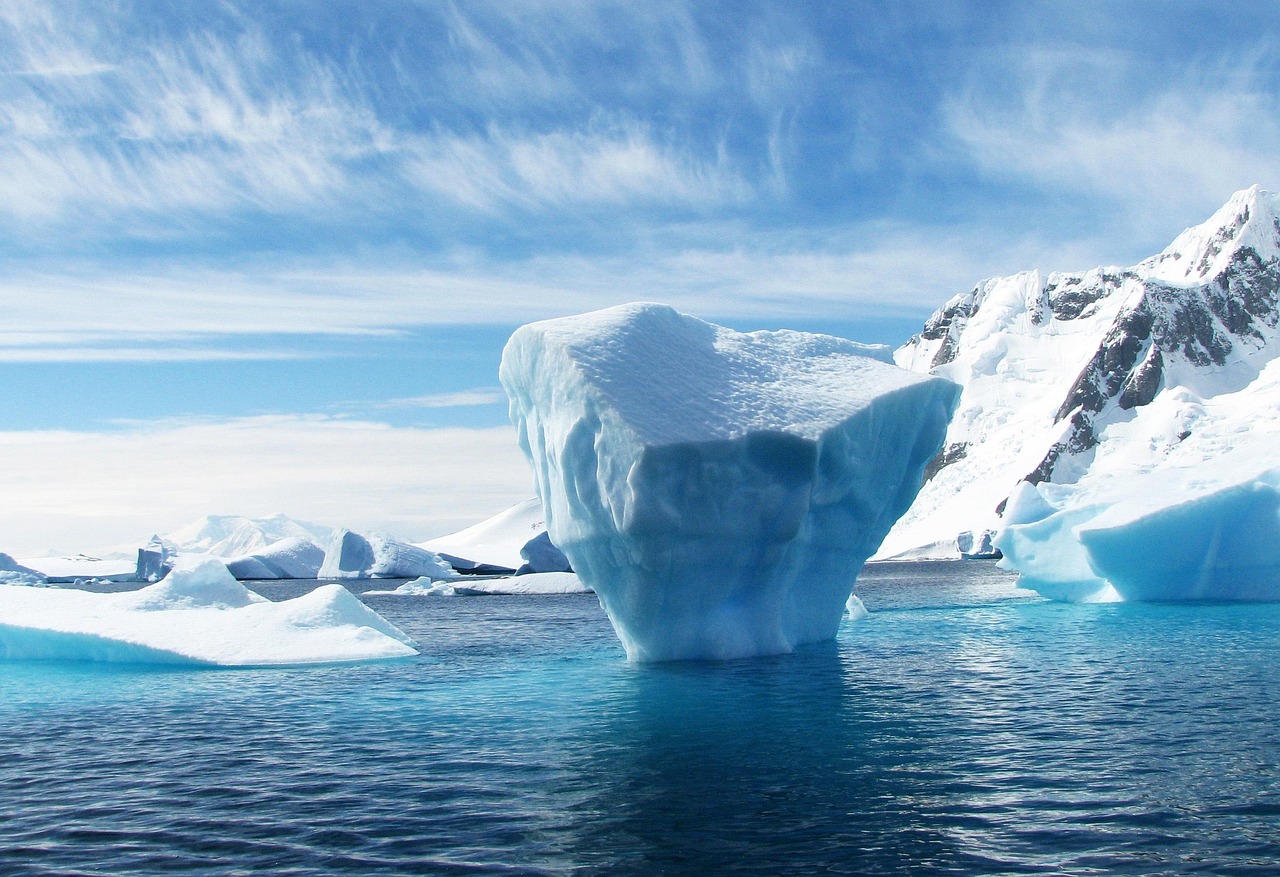
In the heart of the McMurdo Dry Valleys, in East Antarctica, there exists a phenomenon that looks like it comes from a horror movie: Blood Falls. This stream of water, which flows intensely red against the pristine white of the Taylor Glacier, baffled explorers for decades. What was initially thought to be a sign of something supernatural turned out to be a complex geological mechanism that allows us to peek into the planet’s distant past.
Quick facts
- Who: Discovered by Thomas Griffith Taylor; studied by Jill Mikucki.
- When: Discovered in 1911; sealed between 1.5 and 2 million years ago.
- Where: Taylor Glacier, McMurdo Dry Valleys, Antarctica.
- Key data: Iron-rich brine with 8% sodium chloride.
Why is the water red?
When the Australian geologist Thomas Griffith Taylor discovered these falls in 1911, early pioneers suggested the color was due to red algae. However, modern science proved a much more fascinating reality: the color comes from iron oxides. The water, a subglacial brine, has been trapped under about 400 meters of ice for 1.5 to 2 million years. Upon contacting oxygen in the air as it exits, the iron oxidizes, staining the ice a permanent, blood-like red.
An ecosystem trapped in time
In December 2014, a team led by scientist Jill Mikucki achieved a milestone by using the IceMole probe to penetrate the glacier and extract direct samples of the brine. The analysis revealed an extreme environment: a temperature of −7 °C, high salinity, and a high concentration of iron. Most surprising was the discovery of at least 17 types of microbes that survive in an anoxic environment—without oxygen. Among them, a bacterium of the genus Marinobacter was isolated, alongside Thiomicrospira and Desulfocapsa, thriving in conditions that would be lethal to almost any other living thing.
Frequently asked questions
Is it actually blood coming out of the glacier?
No, that is a common misconception. It is salty, iron-rich water that oxidizes upon contact with the atmosphere, creating a blood-red appearance.
What organisms live in Blood Falls?
Researchers have identified 17 types of microbes, including bacteria like Marinobacter, which have survived in an environment without light or oxygen for millions of years.
Is it dangerous to visit the falls?
Blood Falls is in an extremely remote area of Antarctica, protected by international scientific protocols that limit access to prevent contamination of the ecosystem.
Sources
- Wikipedia: Blood Falls