
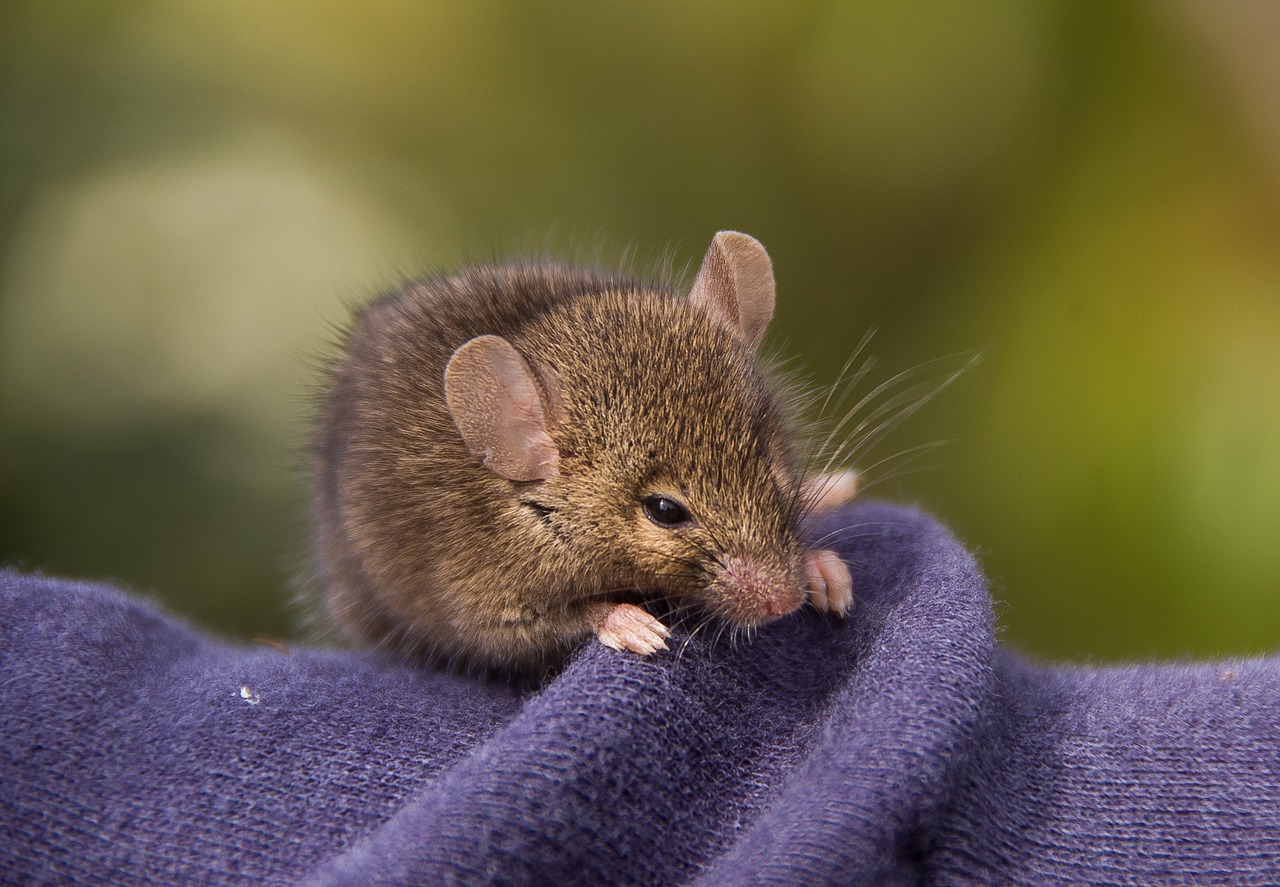

A Love That Literally Kills
In the fascinating animal kingdom, survival strategies come in all shapes and sizes, but few are as extreme as that of the Antechinus, a small carnivorous marsupial native to Australia. While most species strive to ensure longevity, these tiny creatures follow a rulebook fit for a rock star: burn out completely in one spectacular, fatal burst. The males of this genus experience a massive wave of mortality immediately after the breeding season due to a total physical collapse. In short, they literally work themselves to death in the name of reproduction.
A Twelve-Hour Mating Marathon
When the breeding season arrives, a male Antechinus’s life turns into pure chaos. Females are synchronously monoestrous, meaning the entire reproductive window is compressed into a short three-week period. To maximize their chances, males mature about four or five weeks before the season begins and enter a frenzied state. The mating is extraordinarily intense and can last up to 12 hours straight per encounter, with males mating with multiple females to ensure their lineage survives, often resulting in litters with multiple fathers.
The Ultimate Hormonal Collapse
How does intense activity lead to total extinction for the males? The culprit is internal biology. During this period, their bodies flood with free corticosteroids in the bloodstream. Triggered by extreme stress and activity, this hormone surge acts as a slow-acting poison, completely suppressing the immune system and causing widespread internal bleeding. The animal’s body essentially self-destructs from the inside out, leaving almost zero surviving males to tell the tale.
Nature’s Extreme Design
Ultimately, the females are left alone to raise the next generation, while the males vanish entirely in one of evolution’s most shocking self-sacrificing displays in Australia. It is a stunning reminder of the wild extremes found in nature. Do you think this intense biological strategy is genius or madness? Let me know in the comments.
Sources
- Wikipedia: Antechinus
- Australian Museum: Reproductive biology and mortality in Antechinus